How Pomerium Enforces Real-Time, Context-Based Access

Sterling Davis
Head of Product Marketing
Head of Product Marketing
TL;DR
For security engineers, compliance owners, and platform teams who need smarter policies for better security posture.
Most access decisions today are made at login. That’s it. A user signs in successfully and gets access no matter what device they’re on, where they are, what time it is, or whether the context has changed.
That is a problem when:
Static policies ignore context. That breaks trust.
Context-aware access means that access decisions are made based on more than identity alone. It factors in dynamic attributes such as:
These signals let you create smarter rules for access like:
Zero Trust isn’t just about who you are, it’s also about whether access should be allowed right now. When policies adapt to context:
Context-aware enforcement enables precision security without breaking workflows.
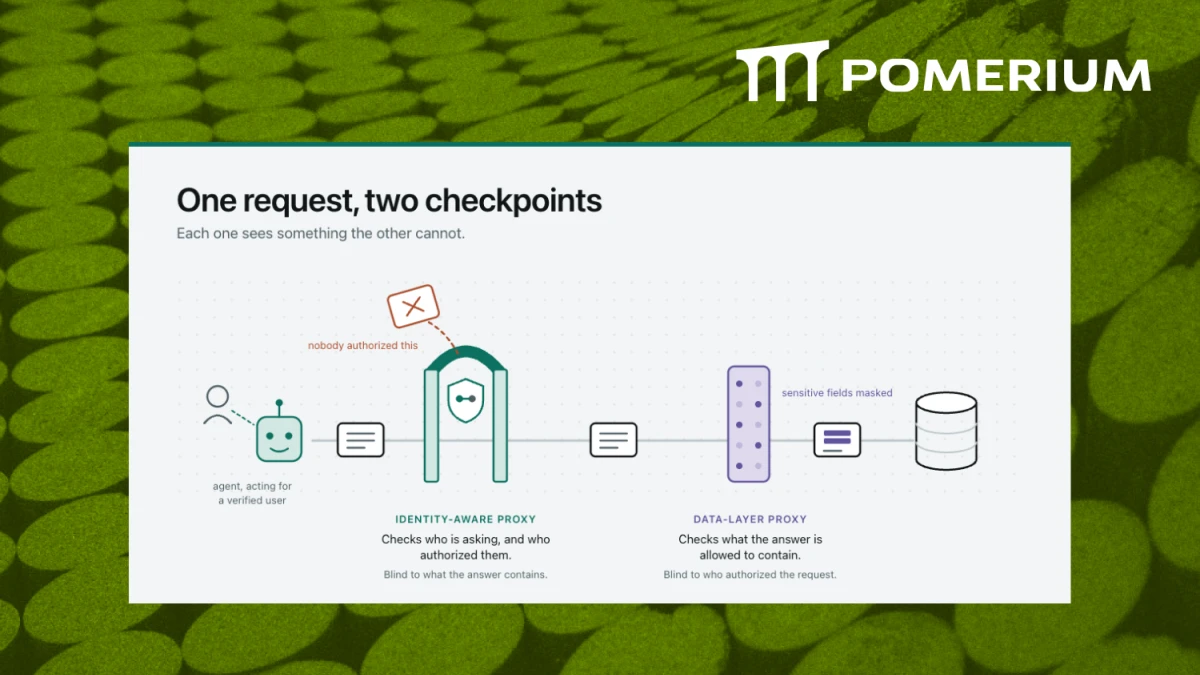
Pomerium evaluates every request against policy at the application layer. Policies are defined and can factor in:
Policies are enforced consistently across every route, and they execute in real time, bypassing long-lived sessions or stale permissions.
You can change policies and see them take effect instantly, without restarting services or deploying apps.
Time-bound access for high-risk roles — Limit production access to on-call engineers during off-hours or even when they’re on vacation
Scoped contractor access — Only allow access to internal dashboards during active engagement windows
Geofencing access to sensitive systems — Block traffic from unapproved regions
Application-layer access control — Apply route-level rules to dashboards, APIs, or MCP endpoints
Context-aware access isn’t just good security, it’s good security that’s easier to audit.
In regulated environments, this level of detail isn’t optional. It’s table stakes. And Pomerium delivers.
You don’t need new tools or app changes. With Pomerium, context-aware policy is built in.
-> Learn how to create your own policies with Pomerium
-> Try it in your own environment
Access should never be static. With Pomerium, it isn’t.