Agentic Access Management for Model Context Protocol (MCP) Workflows

Sterling Davis
Head of Product Marketing
Head of Product Marketing
TL;DR
We’re no longer designing systems where humans are the sole decision-makers. Agentic AI changes the rules. LLMs don’t just respond to prompts anymore, they make decisions autonomously within your systems.
That means identity, policy, and auditability must be built-in from the start. MCP gives agents context. But without controls, it's a liability. Pomerium provides Zero Trust guardrails so organizations can run agentic AI workflows securely.
In November 2022, ChatGPT stunned the world, and reached 100M users within 2 months. But for all its brilliance, it was still a responder—not an actor. It couldn’t call APIs, trigger systems, or take action.
That changed with the Model Context Protocol (MCP).
MCP turns language models into autonomous agents. It’s the bridge from understanding to execution. It allows models like GPT, Claude, and others to interact with real systems using standardized, structured context.
LLMs aren’t just answering, anymore. They’re deciding. Doing. Acting.
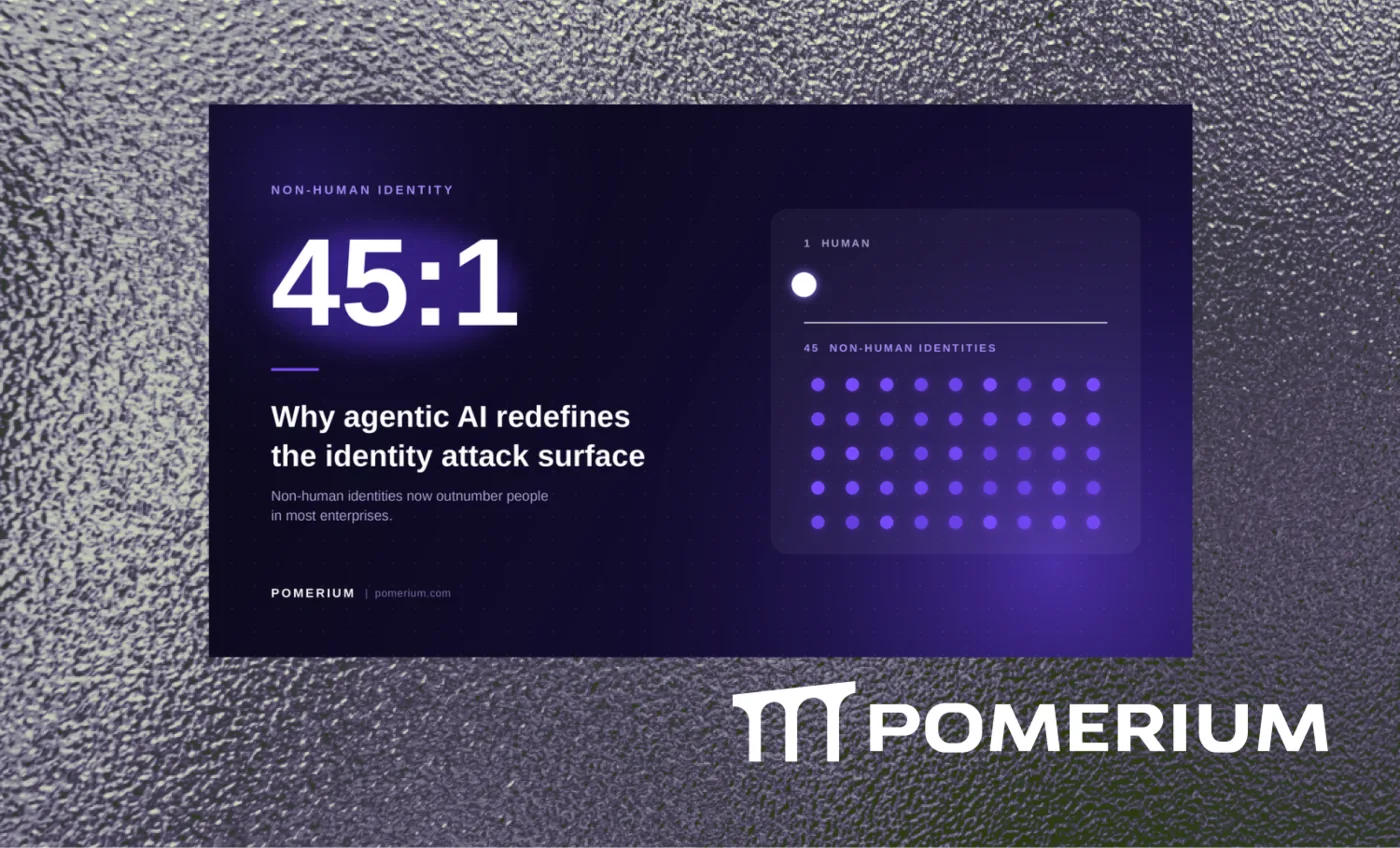
That shift is incredible, but you need to be aware of how it radically changes your attack surface.
Most of today’s AI infrastructure borrows assumptions from traditional software models:
Agentic AI breaks those assumptions, because now:
And that’s not a bug. It’s a feature. One that radically expands the surface area of risk.
You’re not just debugging functions. You’re interpreting behavior. And agents behave unpredictably.
Without policy, oversight, and context-aware constraints, behavior becomes risk.
MCP gave models tools, Pomerium makes sure they use them safely.
Before MCP, everyone hacked their own solutions. Teams chained prompts, stitched plugins, and fragile wrappers, just to let LLMs act. It worked—barely. But it wasn’t secure.
No identity. No policy. No audit trail. Just vibes and function calls.
And that’s unsustainable at scale.
As agentic workflows mature, three critical questions must be answered (especially in compliance-driven companies):
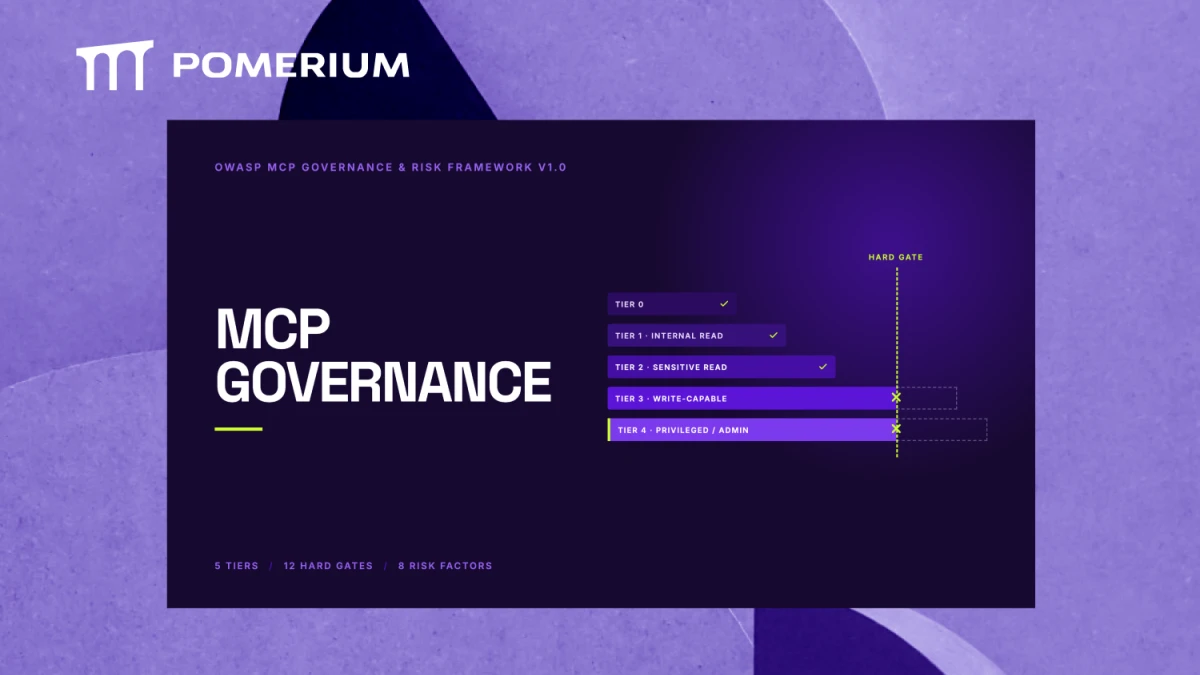
Without clear answers, AI becomes a compliance and security risk, especially when accessing internal data or triggering real-world actions.
“MCP gave AI the keys. Pomerium installs the seatbelt, the speed limit, and the black box recorder."
For developers:
You’re not just writing features. You’re giving agents permissions to act across systems.
For security teams:
The perimeter is no longer a network—it’s intent. Policy must be enforced where the decision begins.
For leadership:
Speed is no longer the only edge. Trust is. And trust requires proof:
This shift introduces new responsibilities where execution must be governed and explainable, just as carefully as it’s designed.
Legacy access tools weren’t built for non-human identities. Pomerium is.
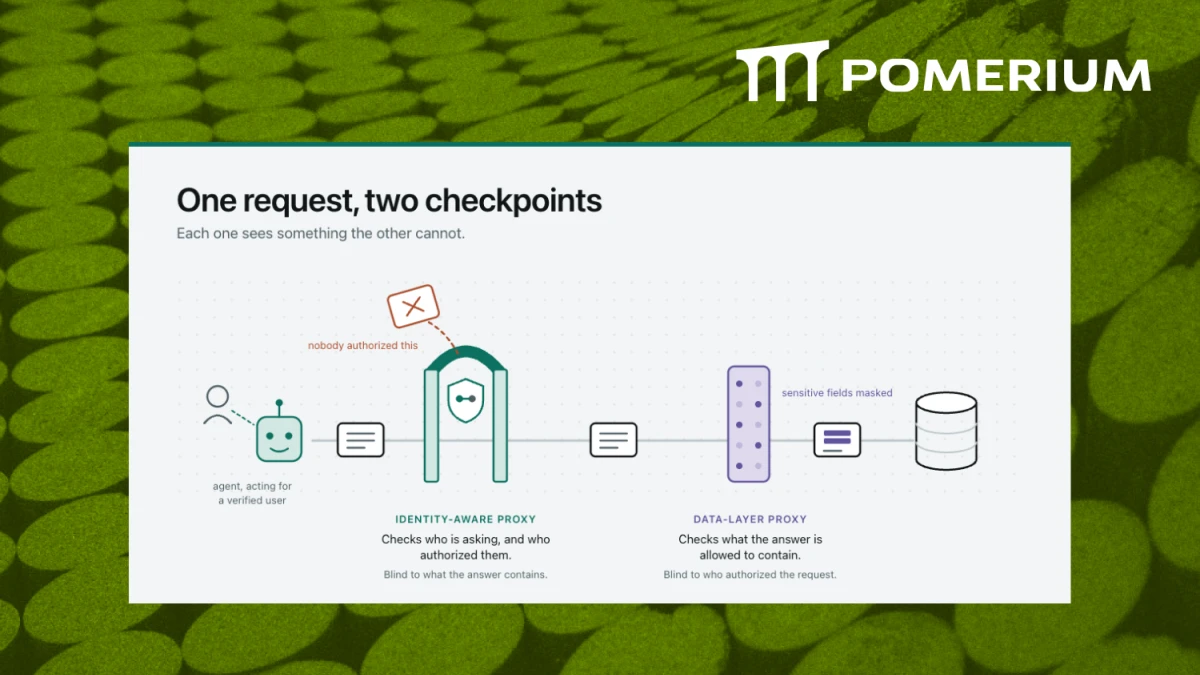
Pomerium is an enforcement point that processes every prompt, model, and action is authorized, auditable, and contained.
If you’re using MCP to power LLMs across internal systems, Pomerium is your control plane.
Secure agent actions with identity-based, per-action policy.
Outcome: AI agents only act on what they’re explicitly allowed to do—no more, no less.
Log every interaction across prompts, systems, and users.
Outcome: Complete traceability for every AI-driven workflow.
Move fast without losing control.
Outcome: Security becomes an accelerator, not a bottleneck.
Traditional IAM was built for humans. Agentic Access Management is built for AI. It answers and enforces the questions IAM can’t:
Pomerium provides AAM natively, fitting directly into your workflows and enforcing policy in real-time for every prompt, action, and decision.
AI is redefining how we work, make sure it’s secure with Pomerium.
Before you hand system access to an autonomous agent, make sure identity, policy, and auditability are enforced—at the point of decision.
Pomerium is how modern teams secure agentic workflows.
Explore Secure Agentic Access →